Isource Marketing

Comprehensive Guide: Advanced Inbound Marketing Strategies for the Technology Sector

Comprehensive Guide: Advanced Inbound Marketing Strategies for the Technology Sector

Share

No hay newsletters disponibles.

The technology market is one of the most competitive and fast-paced industries, where constant innovation demands much more than traditional advertisements or intrusive techniques to attract and retain customers. In this landscape, companies need strategies that highlight their value and enable them to build strong, long-lasting relationships.

Inbound marketing is the answer—a methodology designed to organically attract, convert, and retain customers by offering relevant technical content and personalized experiences.

In this comprehensive guide, you will learn how to implement advanced inbound marketing strategies tailored specifically for the technology sector, covering both B2B and B2C markets. These strategies will help you position yourself as an industry leader, increase conversions, and build lasting customer loyalty.

What Is Inbound Marketing?

Inbound marketing is a methodology focused on attracting customers through valuable content, avoiding the interruptions caused by intrusive advertisements commonly used in traditional marketing tactics. In the technology sector, where purchasing decisions are often complex, this strategy aims to:

Educate
the customer:

Provide relevant technical content to address common questions and challenges.

Strengthen
trust:

Position companies as industry leaders and trusted sources of expertise.

Optimize
the buying cycle:

Simplify decision-making processes in competitive markets.

Whether you operate in the B2B market, where long-term relationships are essential, or the B2C market, where usability and innovation take precedence, inbound marketing offers an unparalleled competitive advantage.

Next, we will explore a step-by-step guide to advanced strategies for excelling in the technology sector, incorporating the latest 2025 trends and recommended tools and platforms for each stage of the process.

1. Understanding the Tech Customer in the Age of AI

In the technology sector, customers seek specific solutions that directly address their needs. Artificial intelligence (AI) enables businesses to analyze vast amounts of data to gain deeper insights into their audience and anticipate their preferences, creating hyper-personalized experiences that resonate on an emotional level. The ability to analyze data in real time allows brands to tailor their messaging and products to the individual preferences of each user.

How to Leverage AI to Understand Your Customers:

  • Advanced Segmentation: Tools like HubSpot CRM offer advanced segmentation and content personalization features, enabling businesses to create unique experiences for each customer.

  • Predictive Analytics: Platforms such as Predictive Analytics World help forecast which prospects have the highest likelihood of conversion.

  • Intelligent Personalization: HubSpot Content Hub, powered by AI, enables businesses to optimize campaigns, create, and deliver personalized content based on user behavior, ensuring relevant information and offers reach the right audience at the right time.

By integrating AI into your inbound marketing strategy, you can not only enhance customer satisfaction but also increase conversion rates by delivering highly relevant content and offers at the right time.

2. Advanced Content for a Demanding Audience

Today’s customers seek innovative products and seamless experiences that help them make informed decisions. This is where automation of the customer journey becomes a key ally in ensuring that every interaction is timely and relevant.

Automation allows businesses to manage the entire customer journey, from the first point of contact to post-sales service, saving time and enhancing the user experience. Today, it is a fundamental aspect of any marketing strategy, enabling:

  • Nurture leads: Send personalized emails with valuable information based on customer interests.
  • Segment audiences: Adapt messaging according to past behaviors, such as clicks, downloads, or website visits.
  • Maintain continuous communication: Deliver relevant content at the right moment without manual intervention.

While content remains a pillar of inbound marketing, its effectiveness now depends on how it is integrated into an automated customer journey. Key approaches include:

  • Technical content tailored to the needs of each segment.
  • Automated tutorials or guides delivered at crucial moments of the journey.
  • Interactive resources that engage customers and encourage participation.

By redefining the role of content within the customer journey, technology companies can ensure that every interaction adds value, fosters trust, and strengthens relationships with their audiences.

3. Integrating Technical SEO, Voice Search, and Chatbots

In today’s digital landscape, searches have become more natural and conversation-driven, especially with the rise of virtual assistants like Alexa, Google Assistant, and Siri. This trend requires companies to optimize their content for more specific queries, adapting to how users phrase questions in real time. To achieve this, businesses must focus on three key areas:

  • Technical SEO: Ensuring a website is fast, accessible, and easily interpretable by both users and search engines is fundamental for ranking and visibility.

  • Chatbots: Powered by AI on websites and applications, they better understand user queries, provide more precise responses, personalize interactions, and collect key data to optimize SEO strategies by identifying new relevant topics for high-value content creation.

  • Voice Search Optimization: With its increasing popularity, web content must be structured to answer specific, direct questions using a conversational tone that aligns with user intent.

By combining technical SEO, conversational search optimization, and strategic chatbot implementation, technology companies can enhance their online visibility while delivering more engaging and efficient user experiences.

4. Intelligent Automation and Marketing Workflows
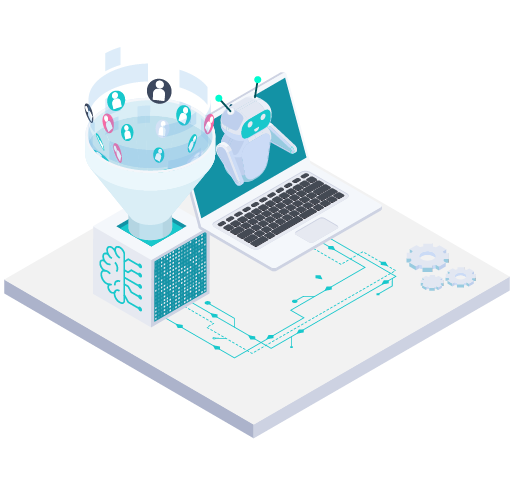
Automation is an essential tool in inbound marketing, particularly in the technology sector, where buying cycles tend to be long and complex. Beyond reducing operational workload, automation enables businesses to personalize every interaction, ensuring that customers receive relevant and timely information throughout their journey.

To maximize the impact of automation, companies should implement strategies that streamline processes, improve efficiency, and enhance customer experience:

  • Personalized workflows: Use HubSpot to automate email sends and create workflows triggered by specific actions, such as downloading an e-book or visiting a webpage, ensuring that each customer receives relevant content at the right time.

  • Action-triggered campaigns: Set up automated notifications that respond to specific user actions, such as downloading an e-book.

  • CRM integration: Platforms like Zapier connect multiple systems to synchronize data and optimize workflows.

By leveraging automation, businesses can ensure that their prospects receive the right content at the right time. For instance, if a user downloads a whitepaper on cybersecurity infrastructure, the system can automatically send them a follow-up email with related case studies, followed by a personalized invitation to a webinar. This approach not only guides the customer through the decision-making process but also saves time for the marketing team, allowing them to focus on higher-value activities.

5. Social Proof in the Technology Ecosystem

Purchasing decisions are often influenced by trust and perceived value, making social proof a critical component of any marketing strategy. Potential customers need tangible evidence that the solutions offered have been effective for other users or businesses.

How to Implement Social Proof:

  • Publish case studies: Share real success stories demonstrating how your solutions have benefited other companies.

  • Encourage User-Generated Content (UGC): Motivate customers to share their experiences on social media, providing authentic endorsements of your brand.

  • Highlight certifications and awards: Strengthen your credibility by showcasing industry recognitions and achievements.

This approach accelerates the decision-making process by eliminating doubts and uncertainties, while also serving as a growth engine for your business—leveraging positive customer experiences to build trust and attract new prospects.

6. Real-Time Data Analysis
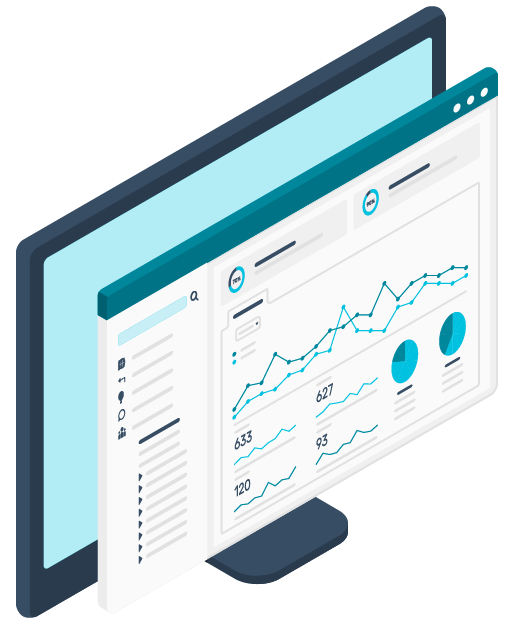
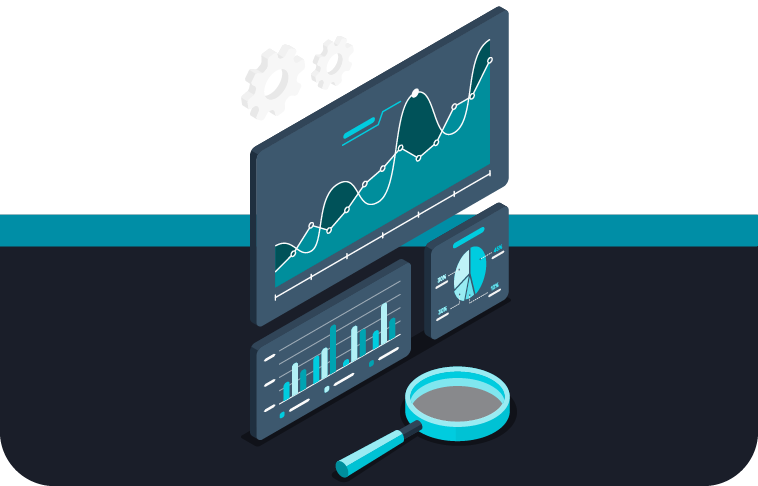
Analyzing results using data analytics tools is essential for measuring campaign performance and making strategic adjustments as needed. The ability to monitor KPIs in real time enables companies to quickly identify areas for improvement, optimize marketing efforts on the spot, and refine their strategies for maximum impact.

A data-driven approach supports informed decision-making for future marketing investments. To facilitate data collection and analysis, we recommend the following tools:

  • Google Analytics 4 (GA4): Provides up-to-date insights into user behavior on your website, helping to optimize content and user experience.

  • Hotjar: Uses heatmaps to analyze how visitors interact with your content, revealing potential areas for improvement.

  • Tableau: A powerful data visualization tool that allows for in-depth data exploration, making it easier to identify key trends.

  • Klipfolio: A dashboard platform that enables real-time KPI monitoring, ensuring effective tracking and performance assessment.

By leveraging these tools, businesses can gain valuable real-time insights, allowing them to continuously refine their marketing efforts and maximize results.
Conclusion: Innovation and Adaptability as Keys to Success

Inbound marketing is no longer just a methodology—it is a strategy driven by innovation, technology, and data. By implementing these advanced inbound marketing strategies in your industry, you can differentiate your brand, engage your audience, and achieve your goals effectively.

Are you ready to transform your marketing strategy? At Isource Marketing, we combine innovation and expertise to help you implement the best strategies.

The evolution of content in the Customer Journey: From a linear funnel to a digital path

The evolution of content in the Customer Journey: From a linear funnel to a digital path

Share

No hay newsletters disponibles.

The Customer Journey has undergone a radical transformation in recent years. As emerging technologies redefine how businesses interact with their customers, the buying process has shifted from a linear path to a dynamic, digital, and multichannel experience.

In the past, decision-makers followed a predictable journey: they identified a need, researched options, and contacted sales. Today, the process is far more complex. CEOs, CTOs, and marketing teams gather information from multiple platforms before even considering a purchase. They engage with content on LinkedIn, attend webinars, explore short-form videos, and prioritize personalized experiences at every stage of their decision-making process.

In this article, we’ll explore how the customer journey has evolved, why these changes are critical for success, and what strategies businesses can implement to create high-impact content and convert high-value clients.

From a linear approach to a dynamic and personalized journey

Traditionally, the customer journey followed a structured sales funnel with three stages: Awareness, Consideration, and Decision. This model assumed that customers moved through each phase in an orderly manner. However, today’s consumers engage with multiple touchpoints before making a decision, requiring a more strategic content approach to attract and convert potential clients.

In the past, many businesses relied on mass content production, primarily through blogs, as their main lead generation channel. The belief was that publishing more content would increase the chances of capturing potential customers.

However, this approach had several flaws:

  • Market saturation: With countless businesses creating similar content, standing out became increasingly difficult.

  • Inconsistent quality: Prioritizing quantity over quality led to repetitive, superficial content.

  • Lack of personalization: Generic content failed to address the specific needs of customers at different stages of their journey.

  • Single-channel strategy: Blogs dominated content marketing, limiting outreach to more effective formats.

By relying solely on blogs and SEO, many companies struggled to capture the attention of decision-makers who preferred other content formats and platforms.

The Old Linear Model: High-Volume content and a single channel

Today: High-Quality content in a multichannel strategy

Now, the focus has shifted toward creating strategic and relevant content, prioritizing quality over quantity. The goal is no longer just to generate traffic but to educate, provide value, and guide customers throughout their buying process.

Successful companies follow three key principles:

  • Relevance and value: Content must align with customer needs at every stage of the Customer Journey.

  • Personalization: By leveraging analytics and Artificial Intelligence, businesses can create highly tailored experiences.

  • Multichannel strategy: Companies distribute content across multiple formats and platforms to reach customers at the right time.

According to a Gartner study, 74% of B2B buyers conduct independent research before speaking with a supplier. This means businesses must ensure their content is available across multiple formats and channels to capture attention at every stage of the buying process.

By integrating social media, video, email marketing, and interactive content, companies can drive higher engagement, build trust, and improve conversion rates.

Key factors driving change in the B2B Customer Journey

1. Digitalization and access to information

B2B buyers no longer rely solely on sales teams to learn about solutions; instead, they seek answers through online communities, social media, and digital platforms. The explosion of content has made customers more discerning, pushing businesses to create high-quality, relevant, and differentiated content to stand out.

2. Generational shift in decision-makers

A new wave of business leaders, particularly in startups and tech companies, consists of digital natives. They prefer consuming content in interactive formats, look for agile experiences, and value authenticity over traditional marketing tactics.

Studies show that 50% of B2B buyers are under 40 years old, meaning outdated strategies like mass email marketing and traditional SEO are no longer enough to capture their interest. Instead, businesses must focus on engaging, data-driven content strategies to appeal to this demographic.

3. Personalization and tailored experiences

Modern B2B buyers expect personalized experiences based on their industry, preferences, and specific needs. In fact, 80% of B2B buyers demand tailored interactions, making personalization a key driver of engagement and conversions.

Companies leveraging Artificial Intelligence (AI) and data analytics to deliver custom content and recommendations see significantly higher engagement rates and improved conversion metrics. By embracing personalization, businesses can foster deeper relationships, build trust, and enhance the overall buying experience.

Effective strategies for the new Customer Journey

1.  Implementing artificial intelligence and machine learning

Artificial Intelligence (AI) allows businesses to personalize content in real time, streamline sales processes, and predict buying behaviors. Key applications include:
Smart chatbots that provide instant answers and improve customer interactions.

  • Recommendation algorithms that suggest relevant content based on user behavior.

Predictive analytics tools that identify high-potential leads and optimize marketing efforts.

2. Extreme personalization: A data-driven approach

Generic strategies no longer work in B2B marketing. To stay competitive, businesses must:

  • Segment audiences based on industry, company size, and decision-maker roles.
  • Create tailored content specifically for CEOs, CTOs, and technical teams.

Adapt messaging according to where the customer is in the sales funnel.

EXTRA TIP:

If you want to dive deeper into advanced Inbound Marketing strategies for the tech industry, check out our Complete Guide to Inbound Marketing.

3. Diversifying content formats

Instead of relying solely on blogs and ebooks, businesses should embrace a multiformat content strategy to reach decision-makers where they are most active. Key formats include:

  • Short-form videos and reels on LinkedIn and YouTube.
  • Podcasts featuring industry experts for in-depth discussions.
  • Infographics and interactive reports that present insights visually.
  • LinkedIn posts with key industry takeaways to boost engagement.

By offering content in multiple formats, companies expand their reach and increase audience engagement across various digital platforms.

4. Optimizing for voice search and AI-Powered search engines

With the rise of AI-driven search engines and voice assistants, businesses must ensure their content is optimized for:

  • Conversational queries on Google, aligning with how users naturally ask questions.
  • Voice searches on devices like Alexa, Siri, and Google Assistant.
  • Concise, structured responses that AI can easily interpret and rank in search results.

As search behavior evolves, adapting content for AI and voice-driven interactions will be crucial for maintaining visibility and attracting the right audience.

In Summary

The Customer Journey has changed irreversibly. It is no longer a linear sales funnel, but rather a dynamic, digital, and multichannel experience, where decision-makers actively research, compare, and validate options before making a purchase.

By creating relevant, personalized content and leveraging multiple platforms to engage with customers, businesses can optimize the customer journey, increase interest, and improve marketing performance.

Is Your Business Ready to Adapt to the New Customer Journey?

At Isource, we stay ahead of market trends and leverage multiple platforms to design a content strategy tailored to your audience, helping you enhance your B2B marketing strategy.

Is your marketing ROI stagnant? AI is the solution You’ve been looking for

Is your marketing ROI stagnant? AI is the solution You’ve been looking for

Share

No hay newsletters disponibles.

If your marketing team is investing in digital strategies but your return on investment (ROI) isn’t growing at the expected pace, you’re not alone. Many tech companies face this challenge—even with paid campaigns, automation, and optimized content in place.

The reason is simple: traditional marketing is no longer enough. Personalization, real-time responsiveness, and the ability to process large volumes of data are now essential to drive profitability.

This is where artificial intelligence (AI) comes into play. In this blog, we’ll explore how AI is boosting marketing ROI, the key trends shaping the future, and the steps you can take to implement it effectively in your strategy.

Artificial Intelligence in Marketing: The Key to Higher ROI

Artificial intelligence in digital marketing is transforming how tech companies design, execute, and optimize their strategies. With its ability to automate workflows, analyze data in real time, and personalize every customer touchpoint, AI has become a critical ally for driving acquisition, conversion, and long-term loyalty.

By 2025, AI’s impact is no longer a futuristic projection—it’s a measurable and proven reality. This is backed by HubSpot’s recent report Is AI Really Driving ROI for Marketing Teams in 2025?, based on a survey of 700 marketing professionals across Latin America and Spain.

The numbers speak for themselves:

Say AI has improved their marketing ROI.

0 %

Report a direct increase in revenue due to AI implementation.

0 %

Have reduced operational costs through more efficient processes.

0 %

Have improved both content quality and team productivity.

0 %

For tech companies and startups, this represents a unique opportunity to accelerate execution and make smarter, data-driven decisions in real time. AI is no longer optional—it’s the new standard for scaling marketing results with intelligence.

How Is AI Impacting Digital Marketing?

Tech companies are leveraging AI across three key areas to boost profitability and optimize their marketing strategies.

1. AI for Automation and Operational Efficiency

AI-driven marketing automation is one of the fastest-growing areas. In fact, 49.2% of marketers already use chatbots and virtual assistants to enhance user experience and accelerate lead conversion.


Many platforms have integrated AI into their CRM systems to streamline processes such as:


  • Automated audience segmentation for more precise targeting.

  • Email and workflow automation to improve conversion rates.

  • Virtual assistants that handle real-time inquiries and qualify prospects.


With tools like HubSpot Content Assistant and ChatSpot, marketing teams can generate SEO-optimized content, manage customer interactions, and launch campaigns—without manual intervention.

2. AI for Predictive Analysis and Campaign Optimization

In 2025, digital advertising is no longer about simply launching ads—it’s about analyzing real-time data to maximize ROI.

47.5% of marketers already use AI to predict customer behavior and adjust their campaigns across platforms like Google Ads, Meta, and LinkedIn.

With solutions like HubSpot Customer Journey Analytics, companies can:

  • Forecast buying trends and tailor their strategies accordingly.

  • Optimize ad spend in real time, maximizing every marketing dollar.

  • Eliminate underperforming audiences to cut campaign costs.

The result? Greater efficiency, higher-quality leads, and stronger conversions.

3. AI-Powered Content Personalization in Digital Marketing

AI-generated content is another major trend gaining traction. 41.3% of marketers are already using AI tools to create tailored content for different audience segments.

But it’s not just about producing more—it’s about creating highly personalized content based on user behavior. With AI, you can:


  • Generate SEO-optimized blog posts to drive organic traffic.

  • Automate personalized ad copy and email sequences.

  • Create AI-powered visual content, cutting down design and production costs.


Platforms like HubSpot AI Content Generator empower marketing teams to deliver high-impact content without sacrificing quality or strategy.

Challenges and Opportunities of AI in Marketing

While AI in marketing is having a positive impact on ROI, many companies still face implementation challenges.

According to HubSpot’s report:

  • 50% of marketers are not leveraging AI’s full potential due to lack of training.

  • 46.2% cite a shortage of technical knowledge as a barrier.

  • 38.3% experience internal resistance to change.


Despite these challenges, the outlook is promising:
80.3% of marketing professionals plan to increase their use of AI in 2025.

So, what’s on the horizon?

  • Real-time conversion optimization

  • Hyper-segmented personalization at scale

  • Advanced automation powered by AI agents


The strategic adoption of these technologies won’t just improve results—it will determine who leads and who gets left behind in the tech-driven market.

Integrating AI into your marketing strategy goes beyond task automation—it’s about delivering measurable, sustainable results. To achieve that, you must focus on tracking impact and optimizing in real time.

Define Your Key Metrics

Start by identifying clear indicators that help evaluate the ROI of your AI-driven initiatives:

  • Conversion rate

  • Customer acquisition cost (CAC)

  • Customer lifetime value (CLTV)

These metrics reveal how effective your personalized and automated campaigns truly are.

Optimize Continuously

AI enables real-time optimization throughout your campaigns:

  • Reallocate budgets toward high-performing channels.

  • Personalize messages based on user behavior and intent.

Enhance segmentation using up-to-date and predictive data.

How to Implement AI in Your Strategy to Drive ROI

Companies Already Seeing Results

Linkedin

Increased conversions with AI-personalized ad campaigns.

Deloitte

Achieved a 74% boost in customer satisfaction.

Amazon

Scaled sales through dynamic recommendations and pricing.

Implementing AI strategically doesn’t have to be complex—with the right tools and a data-driven approach, it’s entirely achievable.

Key Takeaways

AI is no longer just a trend—it’s a strategic tool, unlocking new opportunities to improve marketing ROI.
Teams that implement AI effectively are seeing higher conversion rates, lower operational costs, and highly personalized campaigns. If your ROI is stagnant, now you know how to reignite it through AI. This is the moment to evolve your strategy.

At Isource, as certified HubSpot partners, we help tech companies integrate AI into their marketing with tools that enable faster, smarter, and data-driven decision-making.

Contact us today and discover how to build an AI-powered marketing strategy that maximizes your ROI.

HubSpot in Action: Scale your B2B Marketing with CRM, AI, and Automation

HubSpot in Action:
Scale your B2B Marketing with CRM, AI, and Automation

Share

No hay newsletters disponibles.

Is your marketing strategy still relying on assumptions, manual processes, and scattered data?

When opportunities are measured in clicks and seconds, lacking tools that provide full control, efficiency, and visibility doesn’t just slow you down—it costs you sales.

HubSpot has evolved. Today, it combines intelligent automation, a robust CRM, and artificial intelligence to help you attract high-quality leads, streamline your team’s workflows, and accelerate every stage of your sales funnel.

As an official HubSpot partner, we at Isource understand the value of leveraging this platform’s full potential to optimize marketing, sales, and customer service operations.

In this article, we’ll explore how HubSpot’s advanced, AI-powered features can transform how your business scales, converts, and grows—with precision.

Why HubSpot is the missing piece to unlock your Business Growth?

When a tech company is ready to grow, it needs more than isolated tools or fragmented systems. It needs a unified solution that connects lead generation, sales, and long-term customer engagement. That’s exactly what HubSpot offers—a comprehensive platform designed to drive growth in a structured, measurable, and scalable way.

HubSpot integrates marketing, sales, customer service, and CRM into a single solution. This not only streamlines team collaboration but also provides complete visibility across the customer lifecycle—from the first click to post-sale engagement—all in one place.

Now, with artificial intelligence (AI) powering its features, the platform has become even smarter—helping you move faster, close more deals, and optimize every customer touchpoint.

CRM in motion: accelerate results with smart Sales Execution

Manually managing leads is no longer sustainable for businesses ready to scale.

Real growth happens when your CRM stores data, prioritizes opportunities, automates tasks, and empowers your team to act at the right moment.

HubSpot CRM provides a clear view of every contact, automates repetitive tasks, and centralizes all relevant customer information. With Breeze, HubSpot’s native AI, the CRM becomes truly proactive.

Breeze analyzes real-time data, identifies conversion patterns, and delivers intelligent recommendations, so your sales team can focus where it matters most.

Key features enhanced by Breeze:

  • Automated lead scoring based on user behavior and engagement.
  • Deal closure predictions to allocate resources to the most promising opportunities.
  • Actionable insights, such as the best time to contact a lead or which content to share.

Every sales decision is backed by real data and predictive insights—no more chasing cold leads or relying on guesswork.

Smarter Inbound Marketing: Content that puts the game in your favor

Winning at inbound marketing today requires both relevance and execution efficiency. With HubSpot, you can design and automate your entire content strategy blogs, emails, landing pages, forms, CTAs, and more.

Everything is built to attract qualified leads, convert them, and nurture them with the right content at the right moment.

What sets HubSpot apart is how it executes this through automation—especially with Breeze Copilot, its AI-powered assistant that enables:

  • Drafting blog posts and email campaigns with personalized suggestions.

  • Optimizing content for real-time SEO based on search intent and competitive data.

  • Automatically segmenting audiences and delivering dynamic content tailored to interests and behaviors.
  •  

The result is an inbound strategy that not only scales but improves with every interaction. Your leads receive meaningful, timely content while your team focuses on what truly matters—turning ideas into measurable results.

Still unsure how to improve your content strategy and achieve effective inbound marketing? Check out our Comprehensive Guide: Advanced Inbound Marketing Strategies for the Technology Sector

Automate, Scale, and Grow: Tools that seamlessly connect your marketing and sales

The gap between businesses that scale and those that stall comes down to execution. Having strategies is not enough—you must implement them quickly, with precision, and at scale.

HubSpot recognizes this challenge and goes far beyond CRM and inbound marketing.

With HubSpot, you can:

to nurture leads, assign tasks to your sales team, and trigger alerts based on user behavior.


to answer inquiries, qualify leads, and automatically schedule meetings.


tailored to each prospect’s past interactions.

All of this becomes even more powerful with Breeze Agents, HubSpot’s intelligent assistants that help:

  • Automate prospecting processes.

  • Schedule administrative tasks.

  • Personalize outreach based on lead intent.


Think of HubSpot’s AI as an extension of your team—managing repetitive tasks, analyzing real-time data, and providing recommendations to boost efficiency and drive results faster.

Conclusion: HubSpot takes your marketing to the next level

Today, scaling success depends on how smart, integrated, and agile your processes are. HubSpot is more than a CRM or a marketing tool—it’s the upgrade your strategy needs to grow in a structured, measurable, and sustainable way.

Whether you’re a fast-growing startup or an established tech business, HubSpot is the solution that supports your growth objectives.

Achieving real impact with HubSpot requires more than just access—it takes strategy, structure, and expert guidance.

At Isource, as official HubSpot partners, we transform the platform into a true growth engine for your business.

From CRM setup to full marketing and sales automation, we’ll support you every step of the way—helping you unlock HubSpot’s full potential and drive meaningful results.